When I was faced with a fragmented, one-size-fits-all medical system, I realized that the same investigative research and design thinking I use to solve complex problems was the key to navigating my own health. By applying a data-driven methodology to my diagnosis, I began to see patterns that the standard care model often misses. I noticed that while clinical protocols focus on the biology of a single disease, they often overlook the practical, daily friction of managing overlapping conditions, the mental load of constant food-vettng, and how lifestyle factors can trigger a cycle of symptoms that medicine alone doesn't address.
The research and insights shared here are born from this blend of my own personal experience and a deep-dive investigation into clinical data. Throughout the years, especially after my diagnosis and while I was seeking answers, I have collected empirical data through connecting with various GI patients who have navigated similar challenges with chronic illness. My goal is to bridge the gap between clinical information and the actual patient experience by sharing the information I have gathered, helping others better understand the complexities of these conditions through the lens of shared research and lived experience.
Disclaimer: I am a User Experience professional and health advocate, not a doctor or licensed nutritionist. The research and insights shared here are based on my personal experience and deep-dive investigative research into clinical data. This content is for informational and educational purposes only and should not be taken as medical advice. Always consult with a healthcare professional before making changes to your diet or treatment plan.
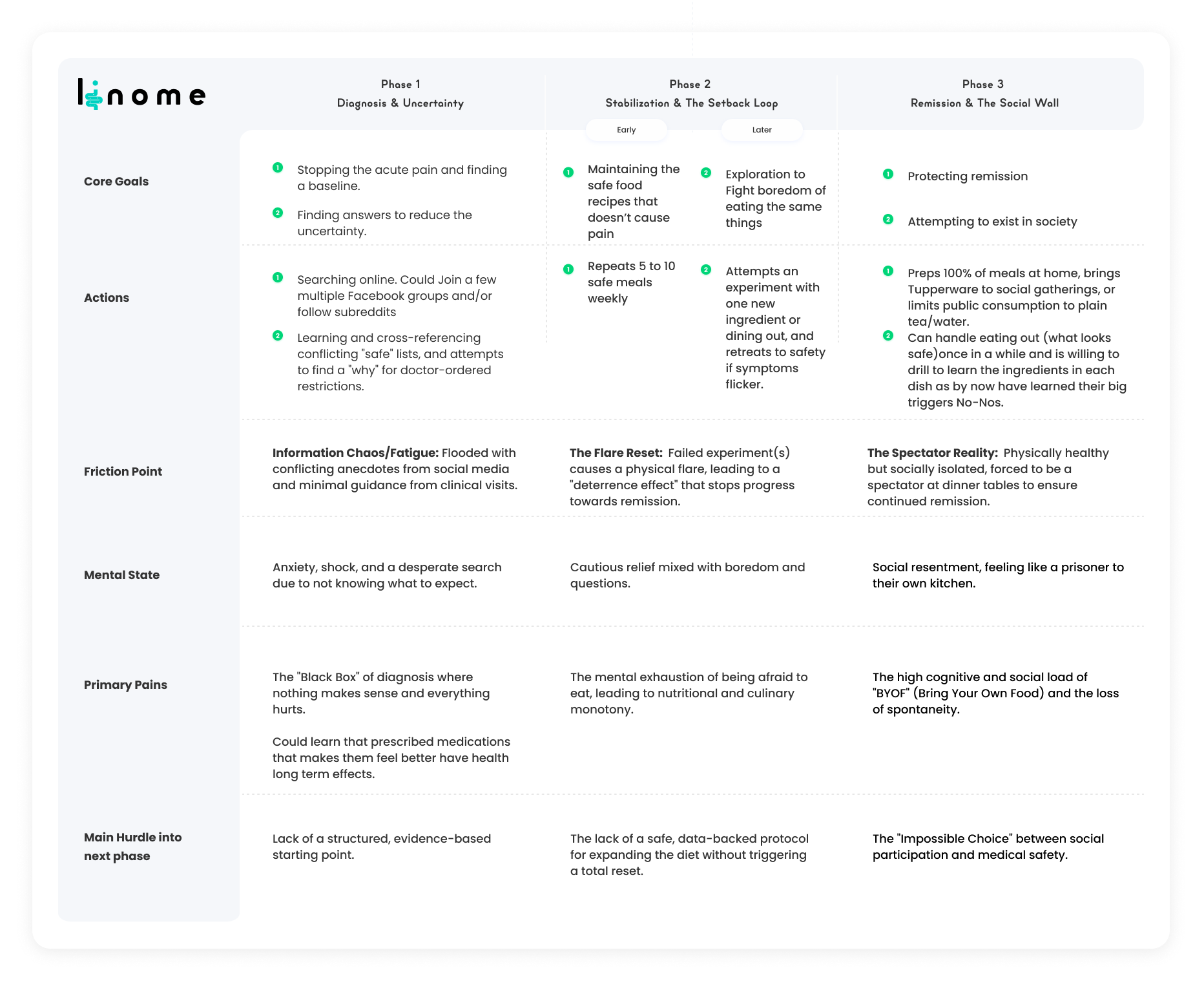

Low FODMAP vs. Low Fermentation: Stop Following the Wrong Diet for SIBO
My healthcare journey taught me that you have to take doctor's notes with a grain of salt and run the research yourself. As a UX Leader, I applied deep research to look past the medical system's one-size-fits-all advice. Learn why Low FODMAP is a temporary detective tool, not a lifestyle, and how the Low Fermentation Diet offers a sustainable path for long-term SIBO management.